The need for good company
The Good Company People was founded on the simple belief that good company should be available to everyone, on their doorstep. Britain’s care system is under pressure, and one reason is rarely spoken about: loneliness. People are living longer, but longer lives don’t always mean fuller ones. As work, family, and community gradually shift, many find themselves increasingly isolated — sometimes through a single change, sometimes through the gradual thinning of the social life that once surrounded them.
What emerged was a clear and consistent picture: people who don’t see themselves as needing care. They need good company.
A different conversation
Much of the visual language surrounding community care feels disconnected from the people it is intended to serve. Staged photography, institutional palettes and imagery that signals dependency rather than life can reinforce perceptions that many people do not recognise in themselves.
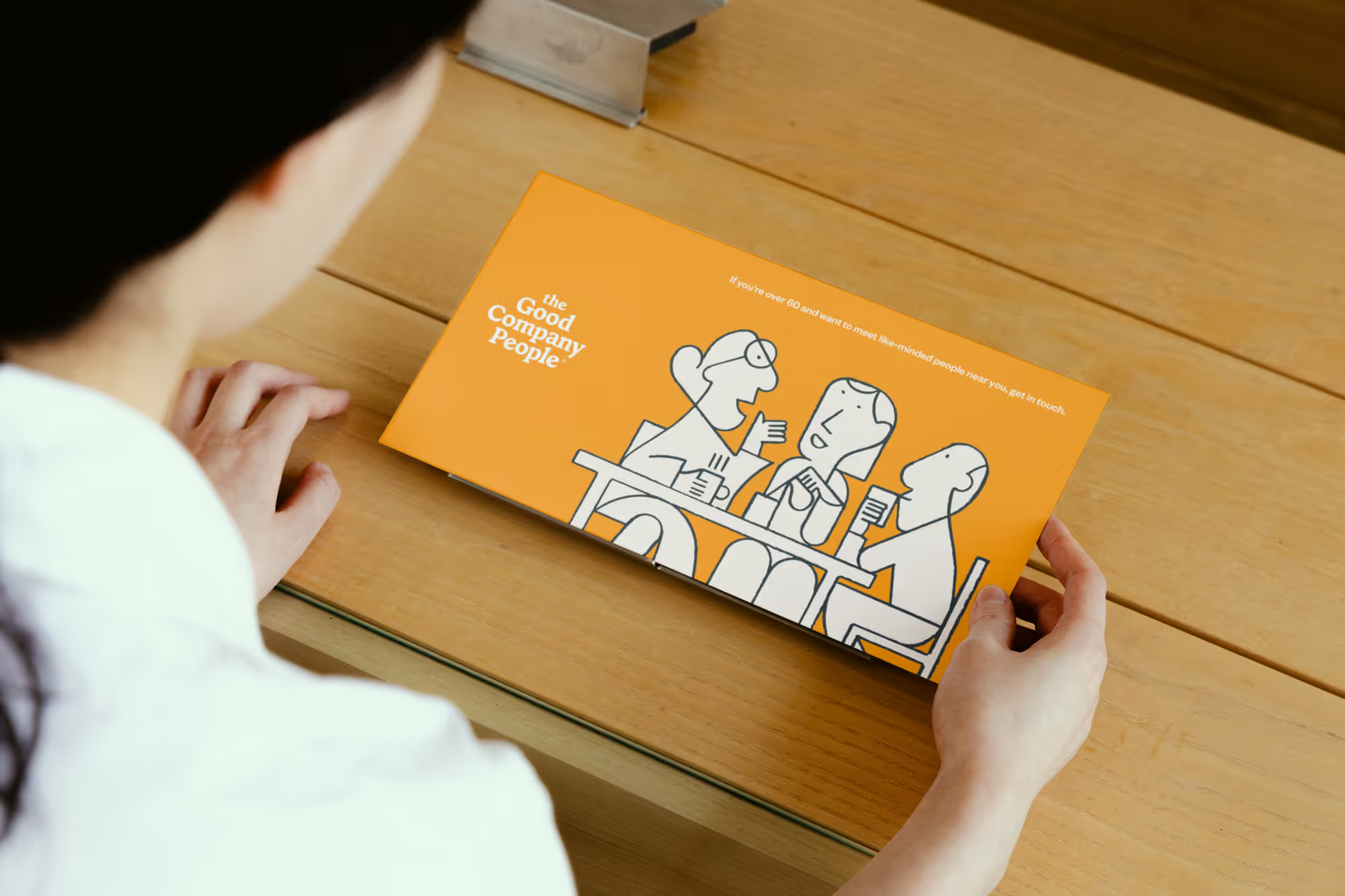
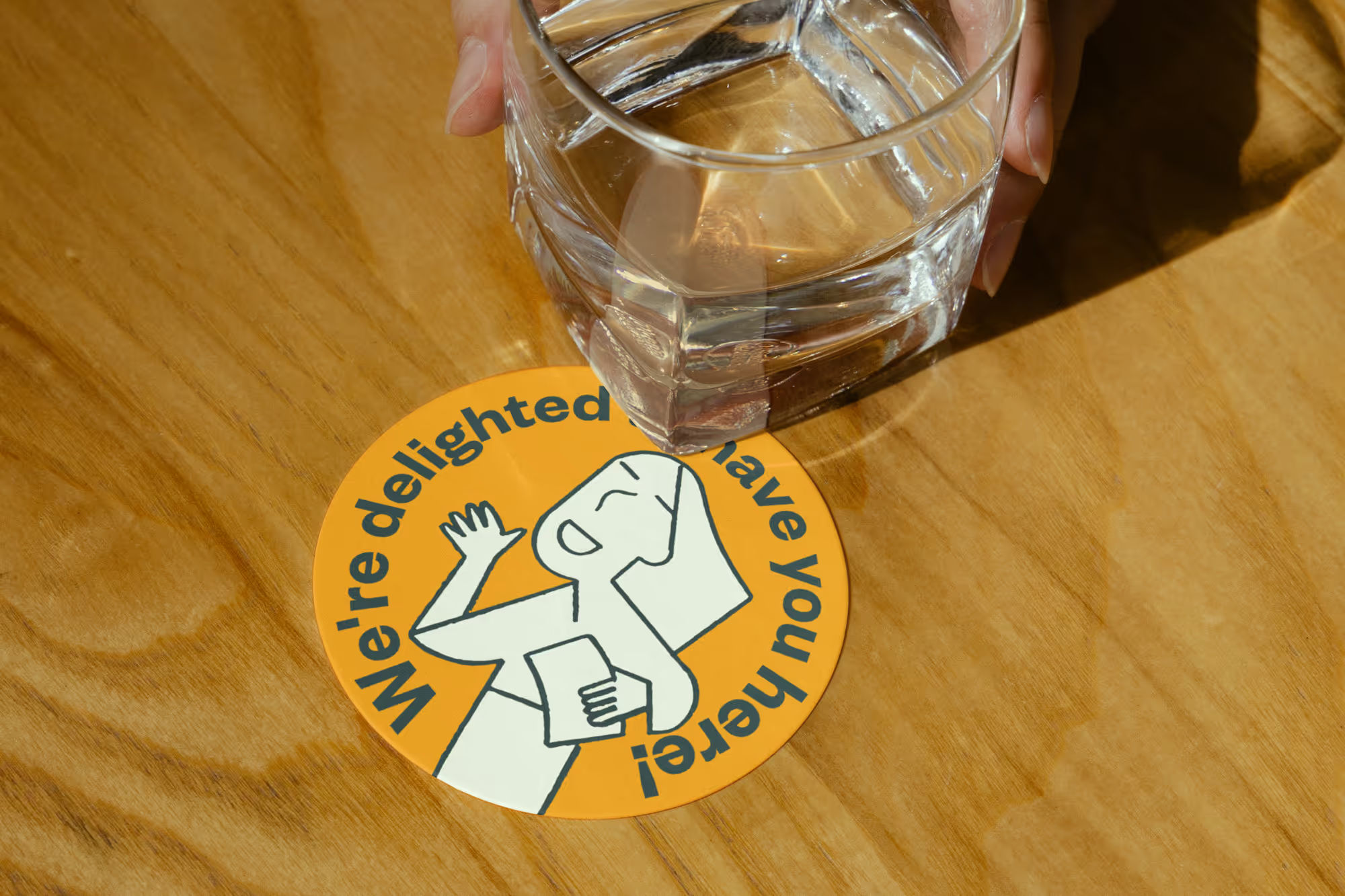
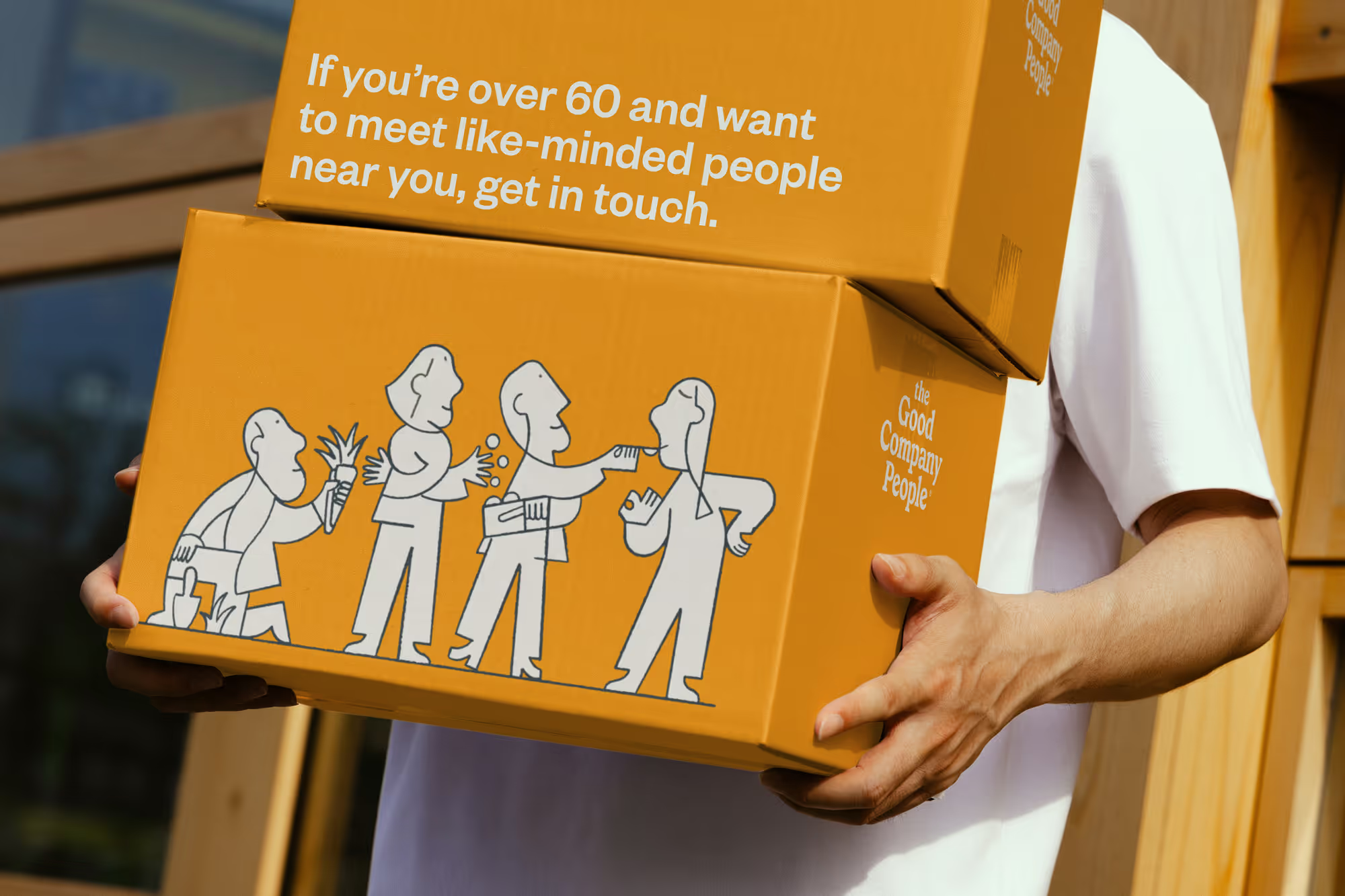
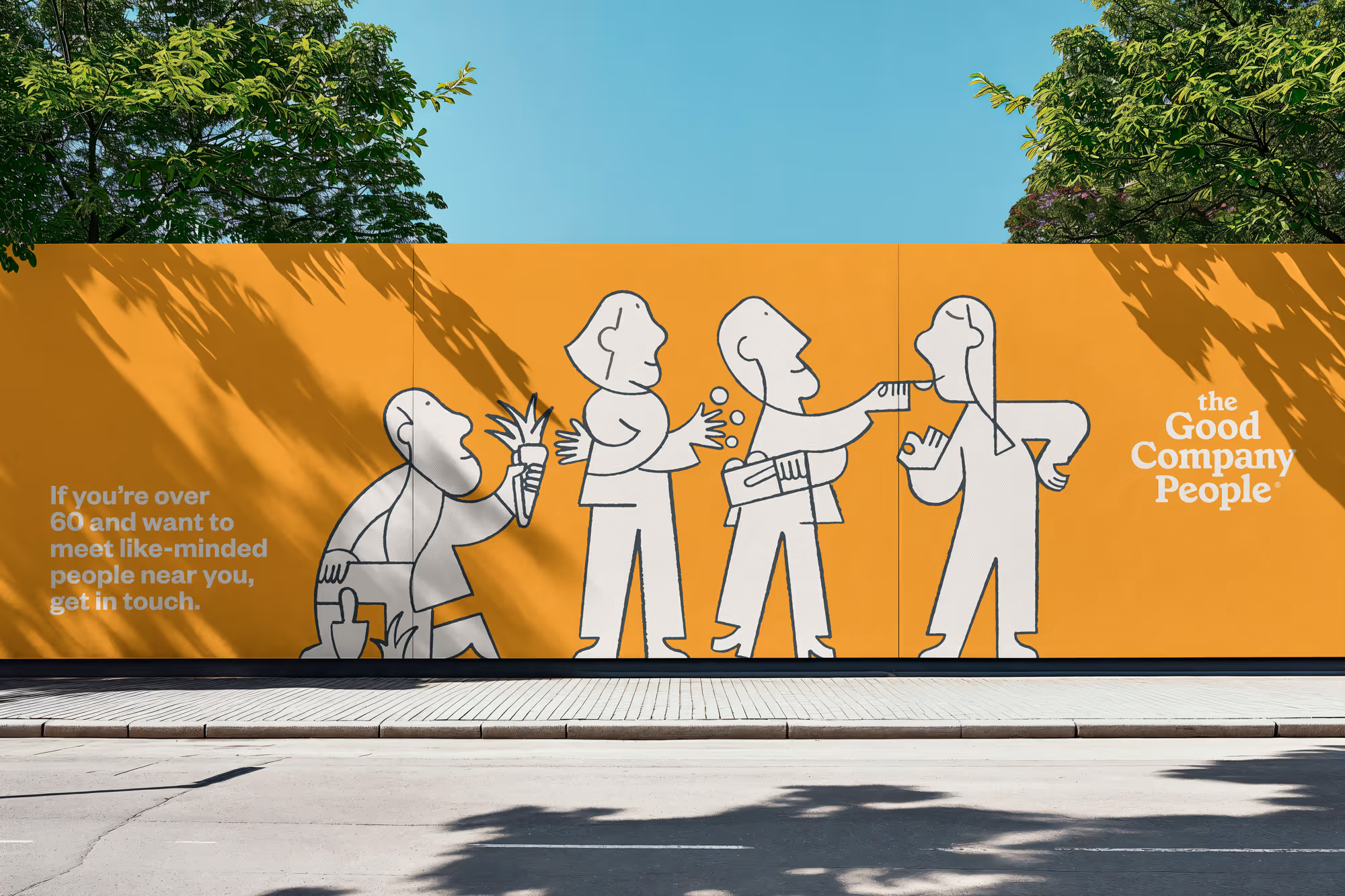
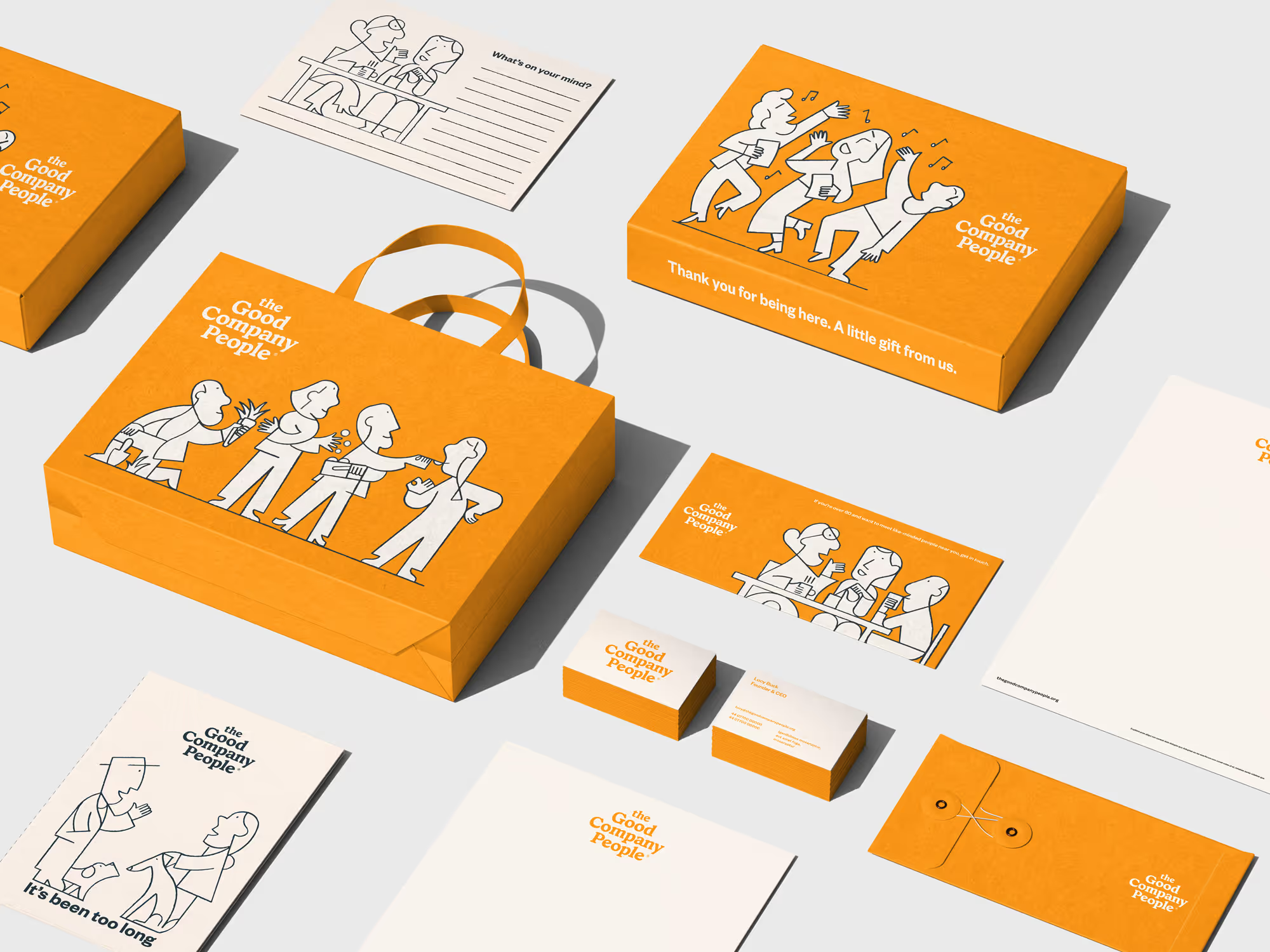
The identity responds by shifting the conversation. Approachable but confident. Distinct without being complicated. A disciplined use of few elements — logotype, a single colour, illustration and tone of voice — creates a system that feels recognisable, optimistic and human.
The warmth of being together
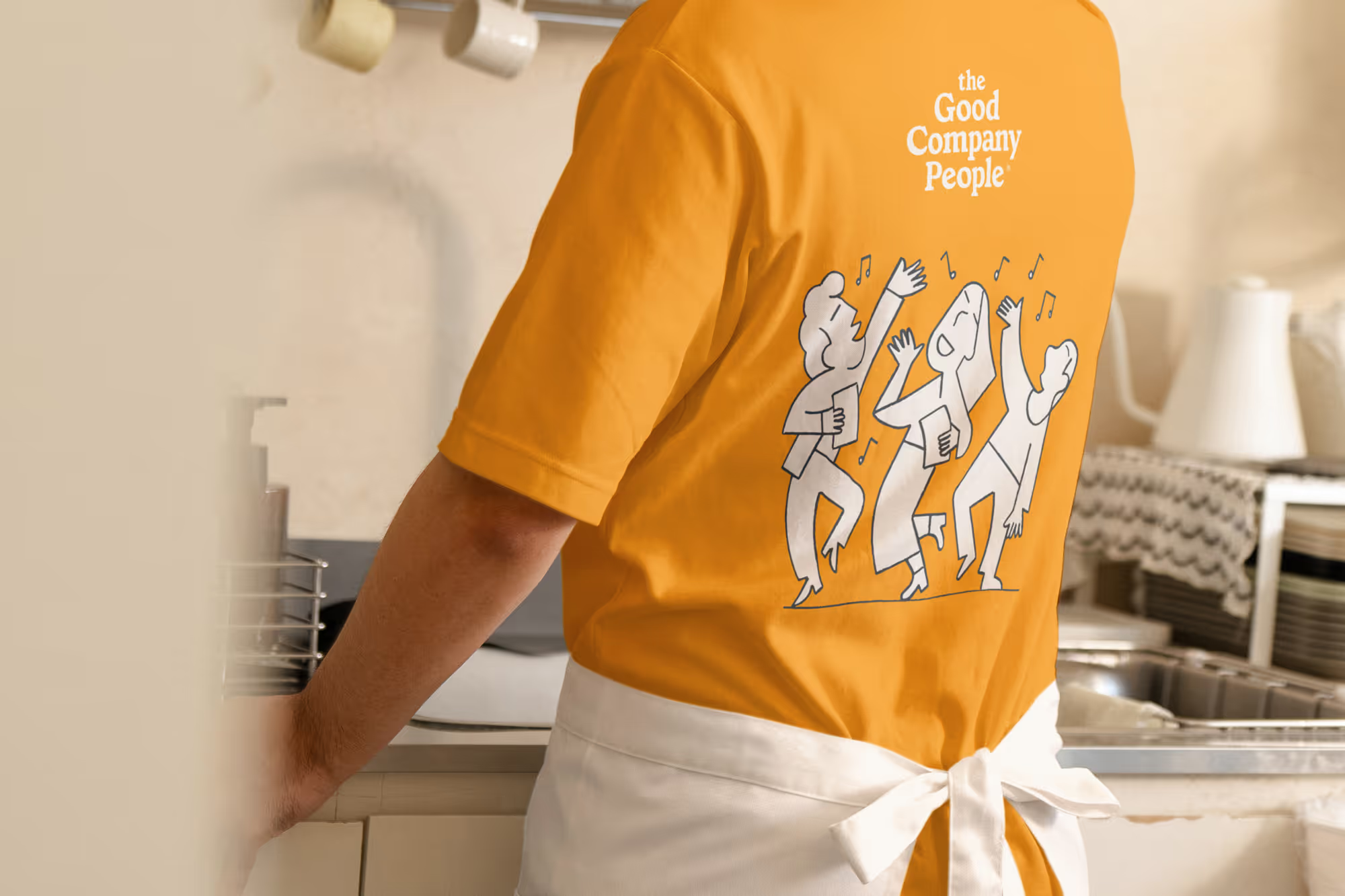
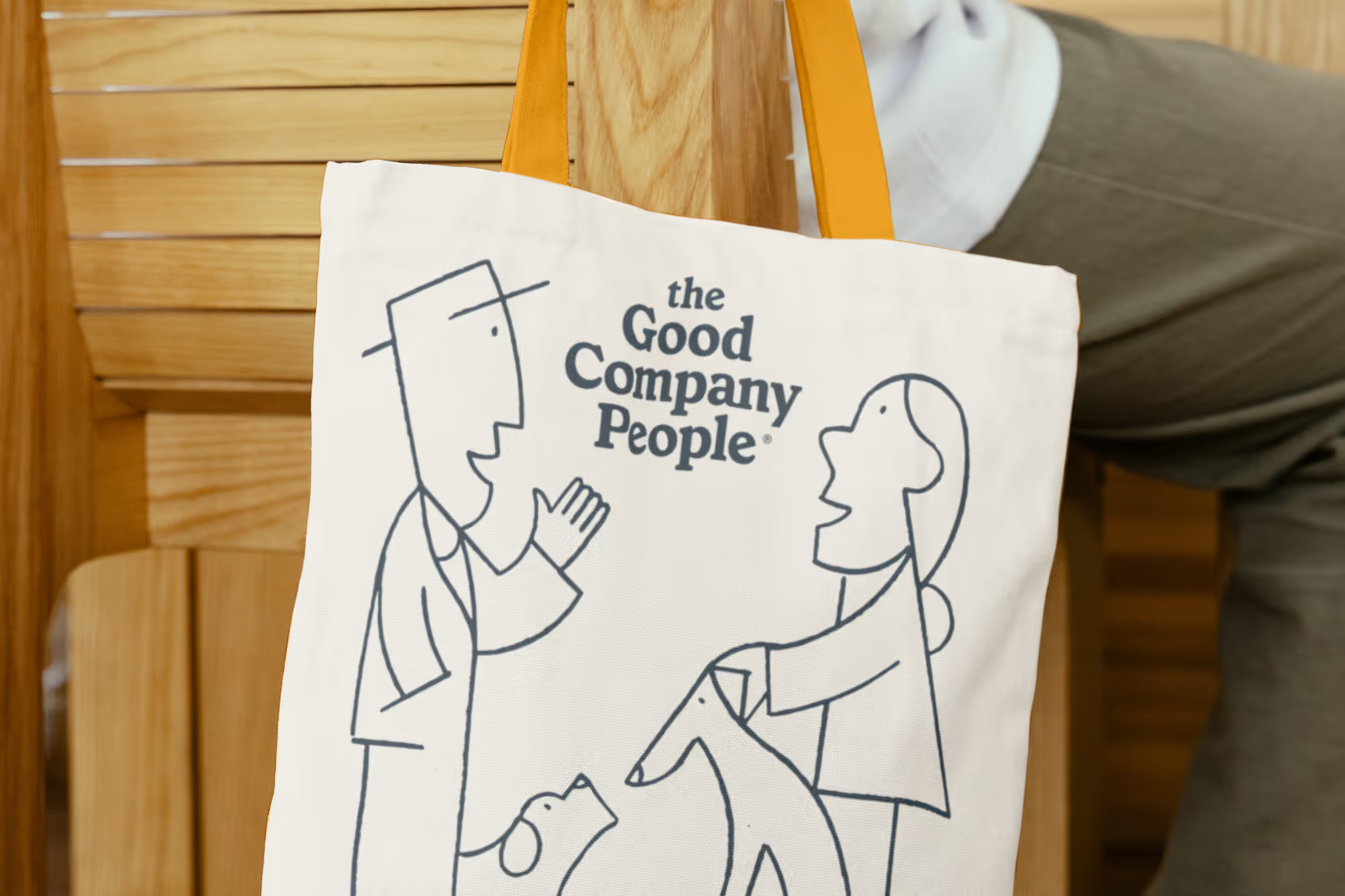
Every element of the identity is designed to reflect the experience of being in good company. The logotype is drawn from Grenette, a friendly and refined serif, modified to carry its own distinct character. The colour palette is optimistic and vivid — a deliberate departure from the institutional tones that dominate the sector.
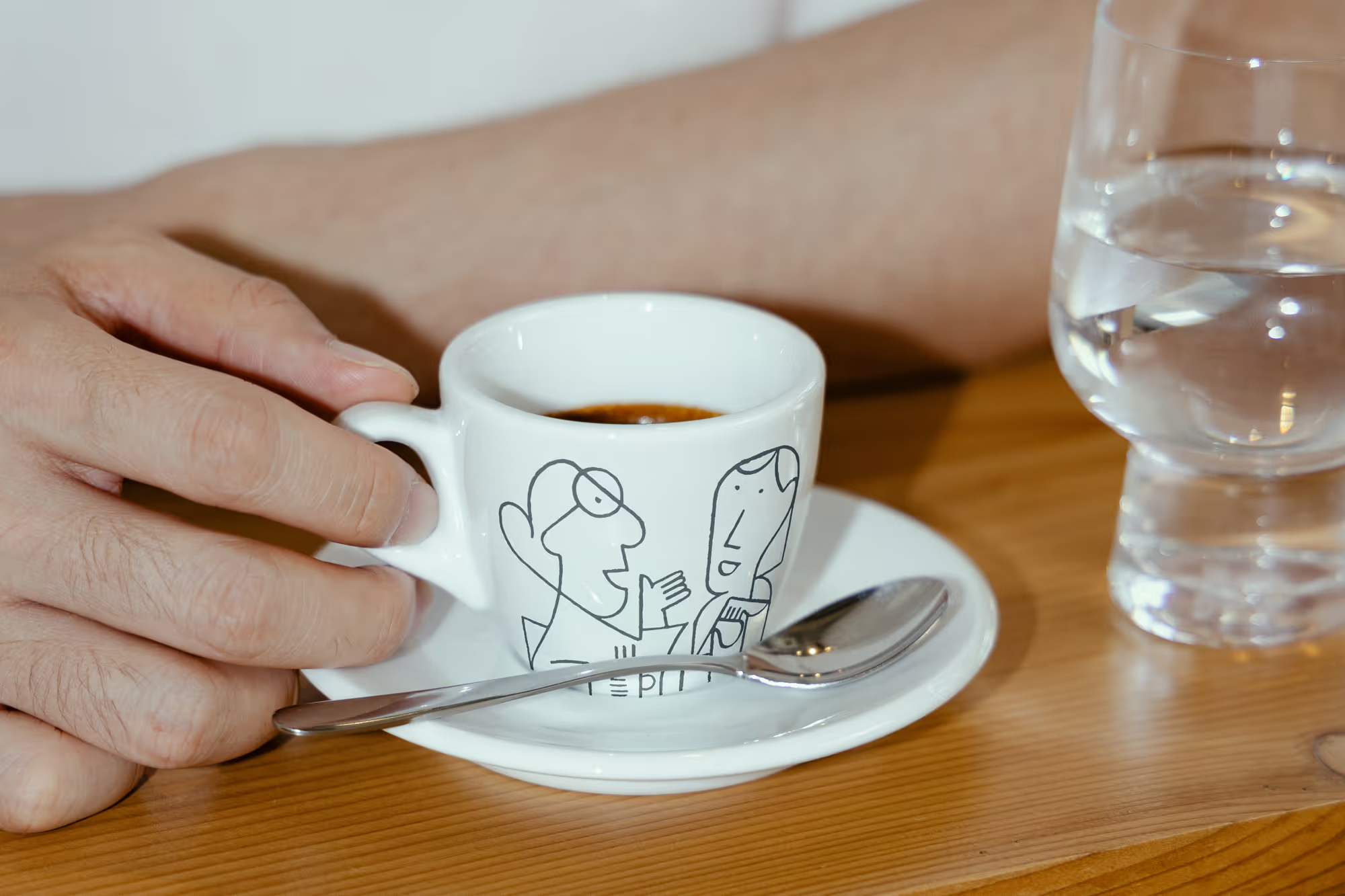
Illustrations by Jay Cover show people engaged, collaborative and full of life. Rather than depicting care, they depict connection: conversation, participation and shared experience. Across every application, the writing carries the same warmth, wit and generosity.
The result is an identity that inspires rather than patronises. Warm without sentimentality, affable without being soft. Not a world that signals dependency, but one people recognise themselves in — and want to be part of.