Built to last. Built to change.
Levrant combines scholarly rigour with pragmatism. It pairs a deep respect for historic buildings with the understanding that they must continue to evolve. Architecturally led and commercially aware, the practice approaches conservation without nostalgia — knowing what should be protected, what can change, and how the two coexist. The new identity is built on that same principle: informed by heritage, expressed with a modern sensibility.
Quietly confident. Built to evolve.
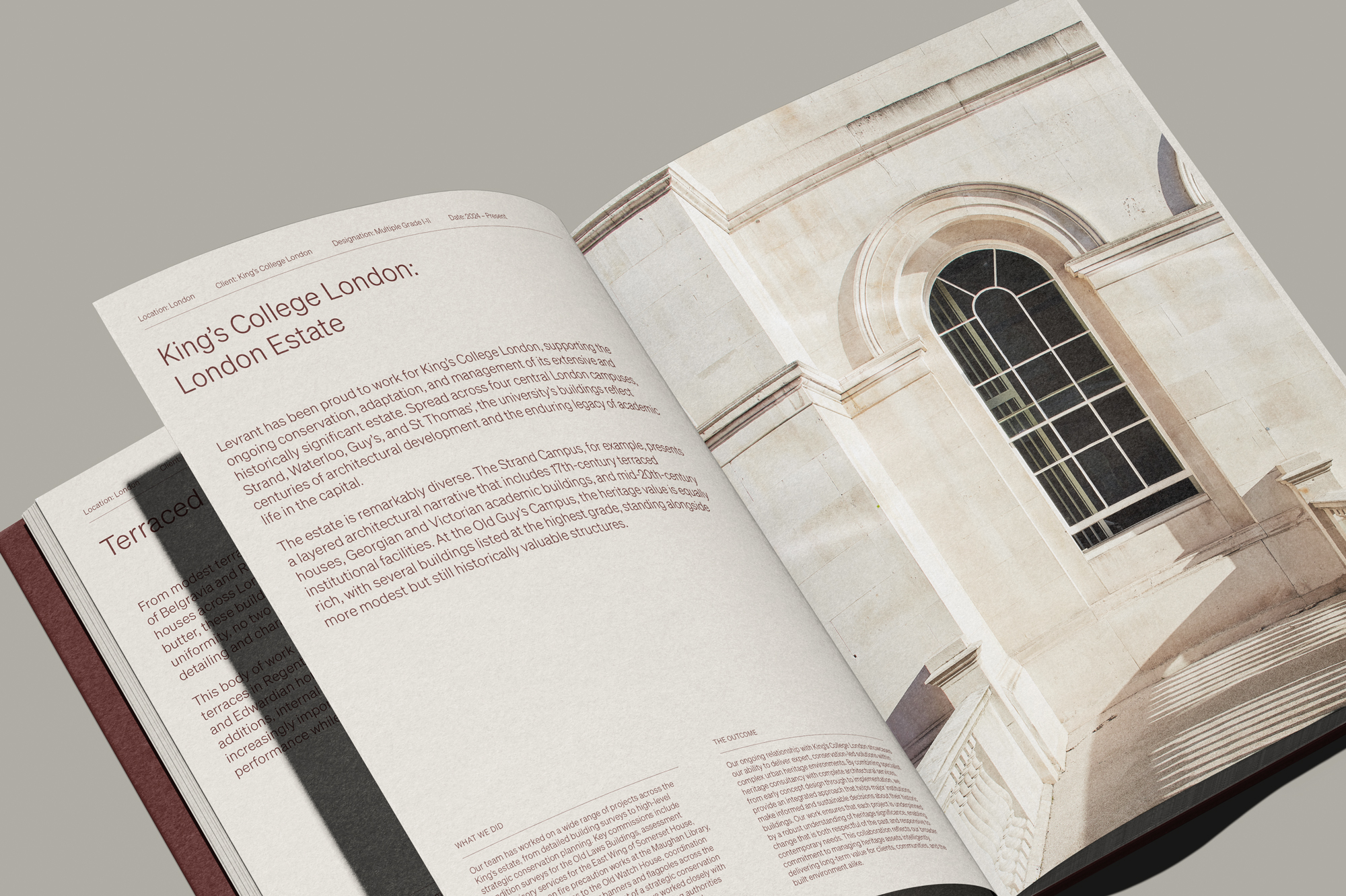
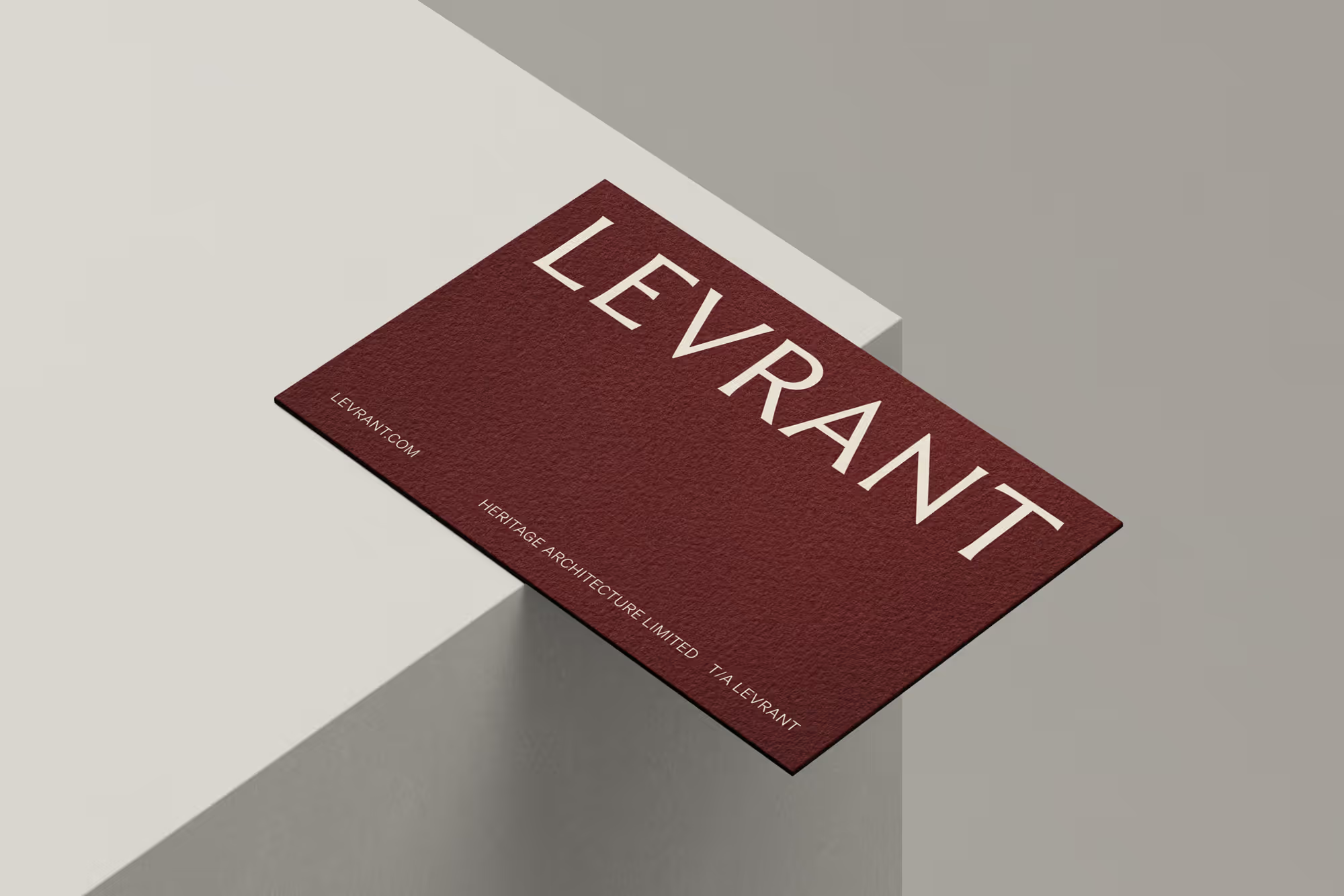
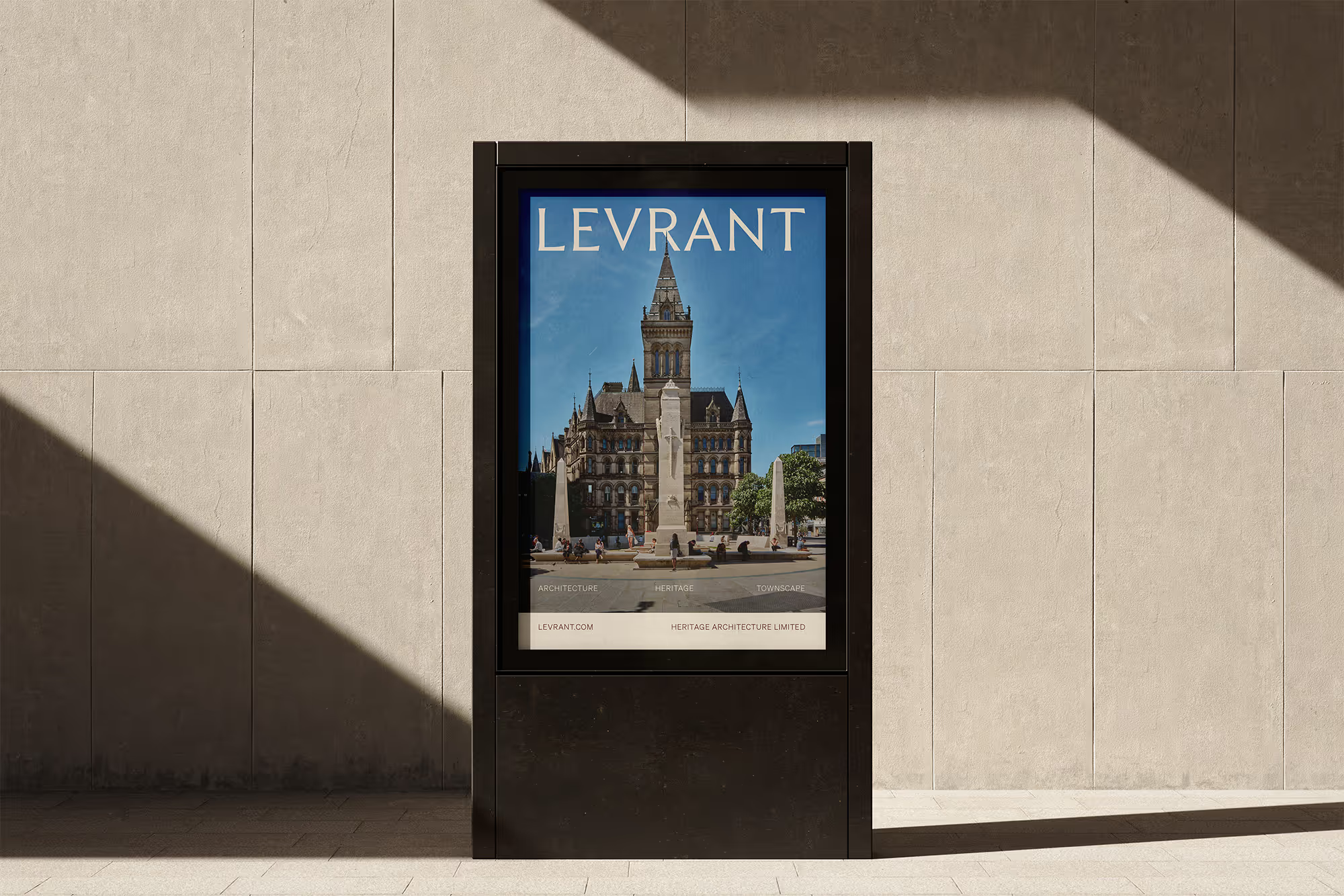
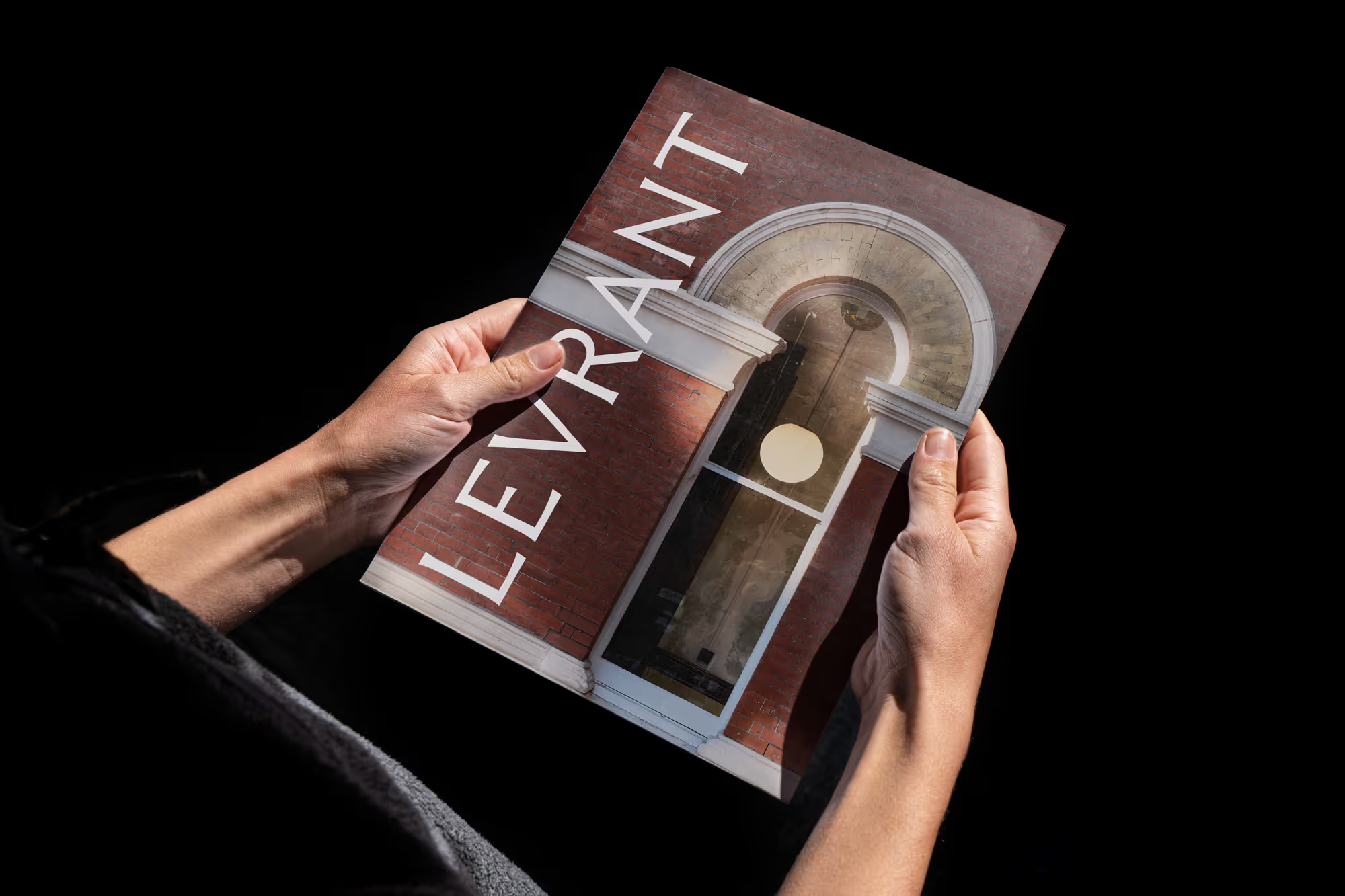
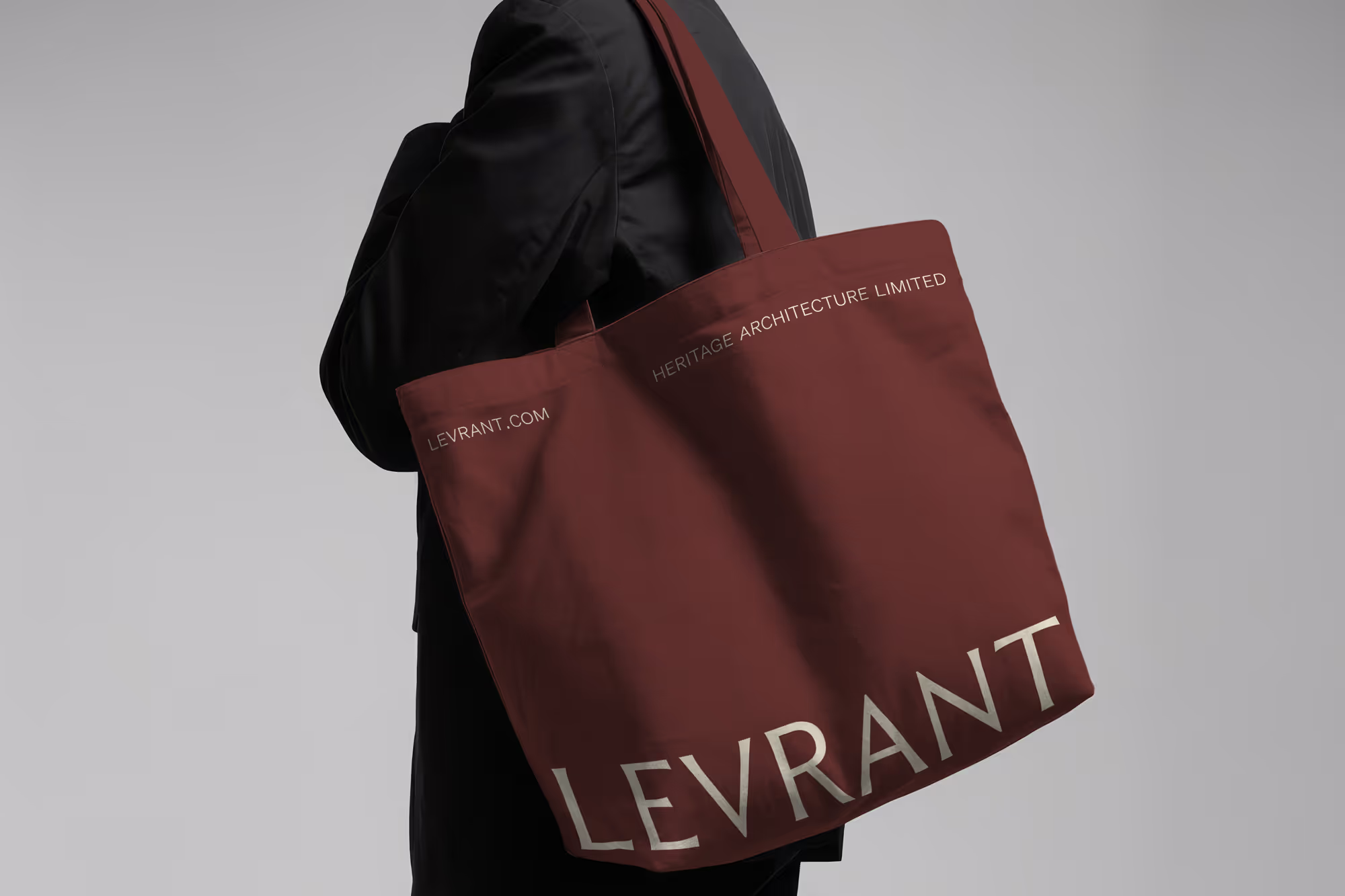
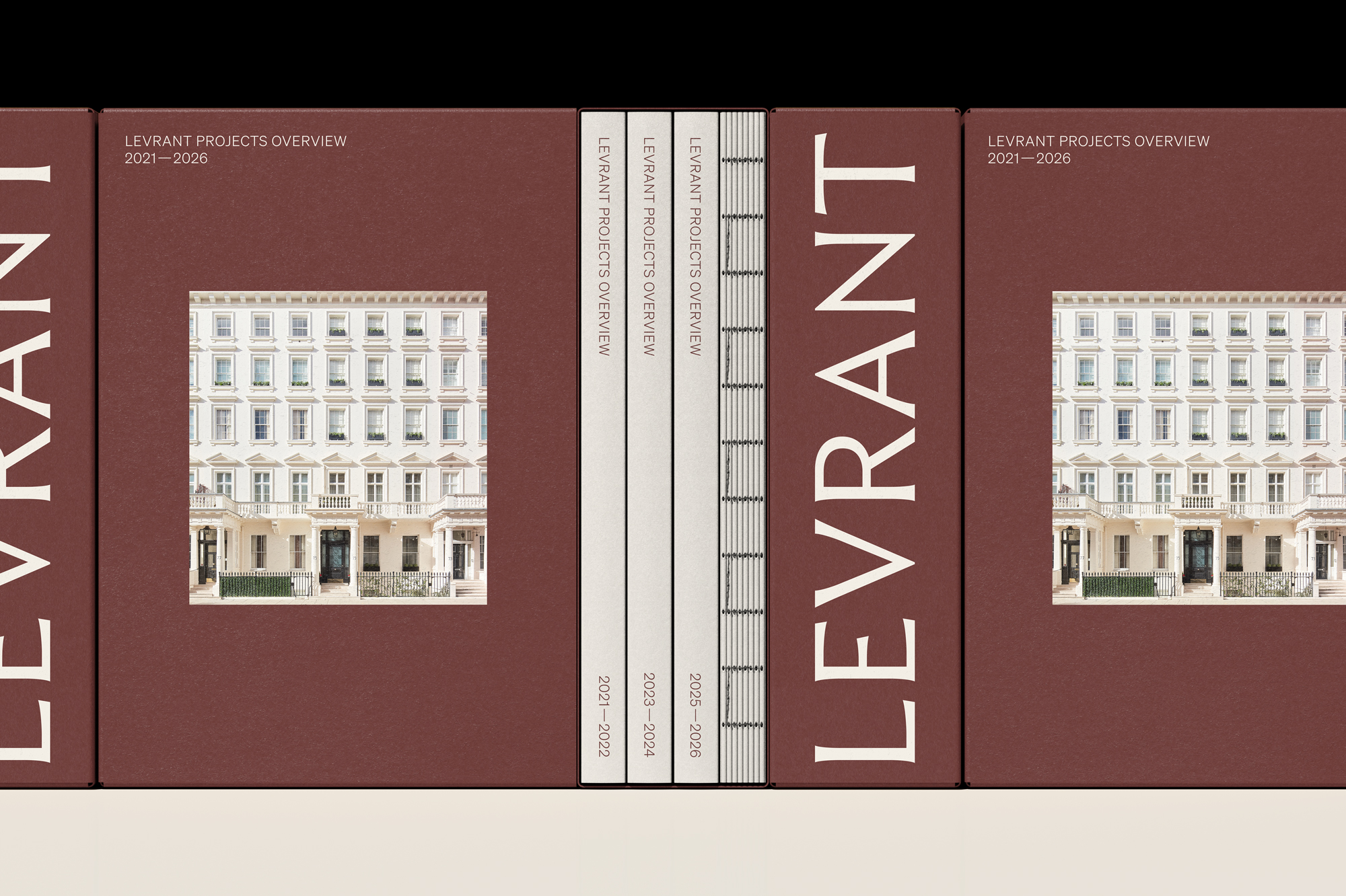
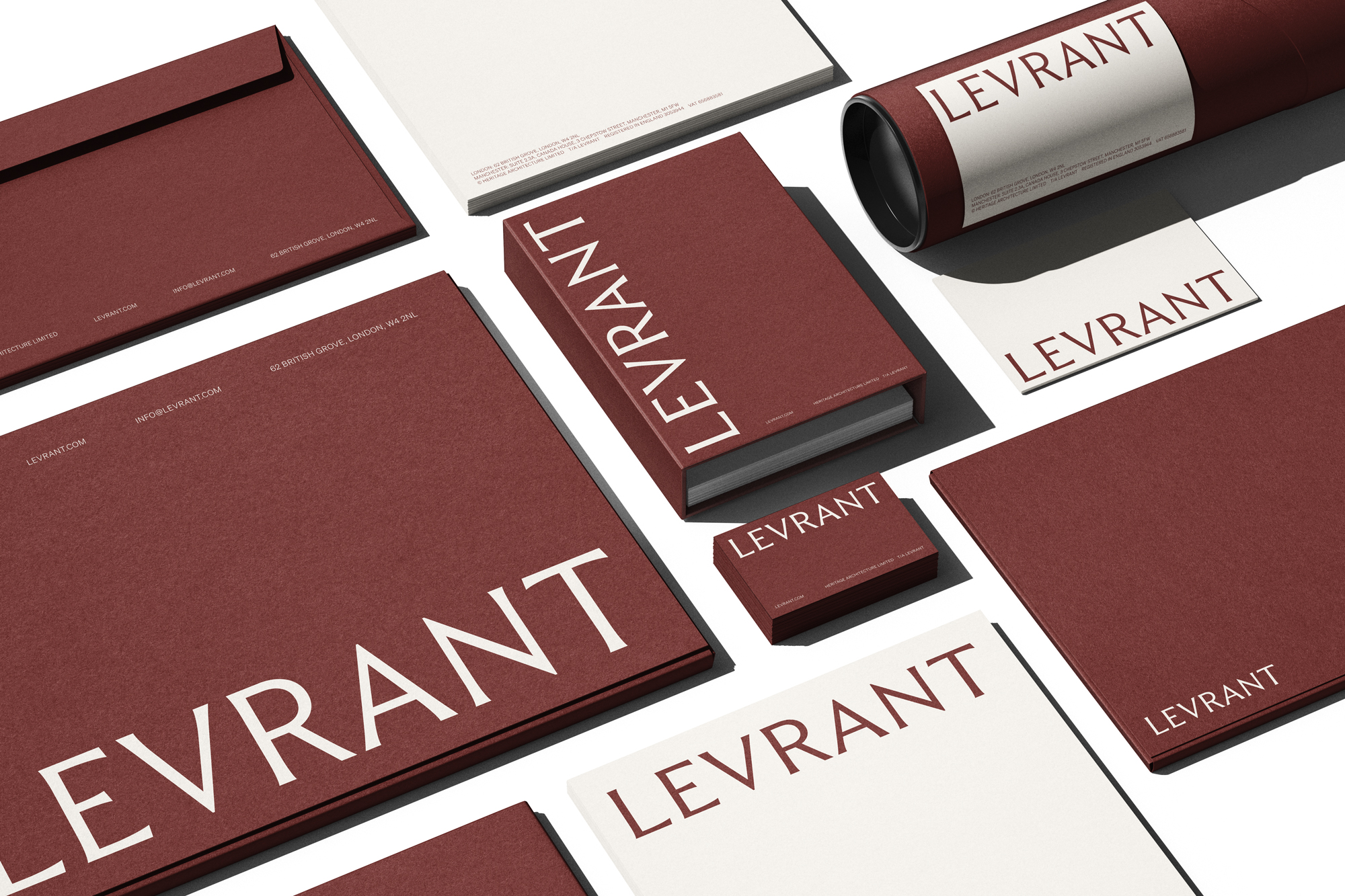
The mark is deliberate and composed. Typography brings rhythm and calm, prioritising legibility and presence over display. Generous use of space gives weight to material, detail and context, while the colour palette is drawn from the physical world Levrant works within — brick, terracotta, stone — referencing historic materials without imitating them. Together, they support continuity and craft, and an identity built to evolve.
Photography is observant rather than demonstrative, led by light, texture and form, drawing out the traces of time, the quality of materials, and the marks that reveal how buildings have changed. The tone of voice is pragmatic, measured and human — shaped by knowledge, curiosity and careful judgement.
The identity doesn’t seek to stand out, but to stand true — building credibility, trust and long-term recognition. It captures Levrant’s values with clarity and intent, honouring their heritage while revealing the practice they are today: a team committed to helping historic buildings evolve through informed and considered intervention.